


Cytus II
4.15.55K Reviews
App Specs
- Version
- 5.2.17
- Updated On
- License
- $1.99
- Downloads
- 1,000,000+
- Developer
- RAYARK
- Categories
- Music
- Platform
- Android, iOS
Screenshots
 Analysis by AppCompare
When I judge a rhythm game, I look beyond whether its songs are catchy: I want to know if I can read the action clearly, learn a chart at my own pace, and enjoy a session in the places where I actually use my phone. Cytus II makes music and timing its main event, but its visual style and steadily more demanding play also shape who will find it comfortable. I see it as a distinctive choice for players who like musical challenge and a story to follow, though it asks for more attention and finger control than a casual tap-along game.
Reading the screen and finding your way around
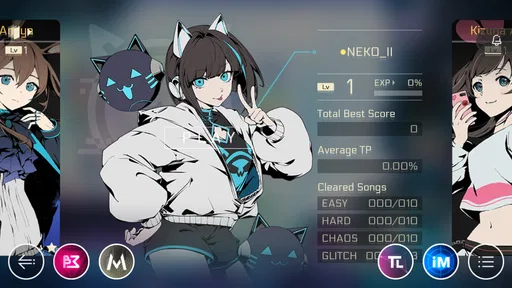
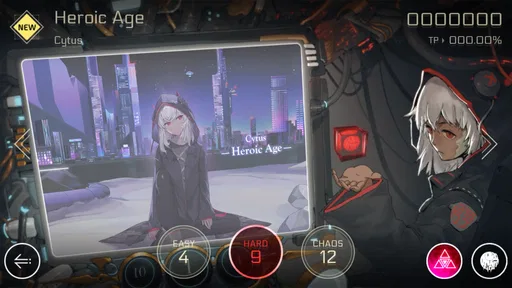
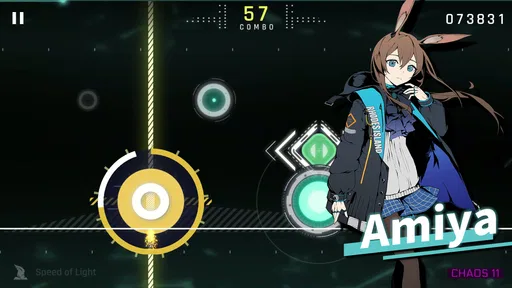
The futuristic presentation gives the game a strong identity, and the interface is approachable enough that I could understand the basic idea without first studying a long explanation. Notes arrive in relation to a moving scan line, so the central task is to watch the screen and respond as the music unfolds. That makes the playfield itself easy to grasp, but not necessarily easy to follow once the patterns get busy: visual effects, character art, and rapid note sequences can compete for attention.
For a first session, I’d focus on learning one track rather than switching constantly between songs and characters. Repeating a chart lets you notice where your eyes should settle and how the timing feels, instead of trying to absorb the whole screen at once. I also find it useful to begin at a difficulty that leaves room to look ahead. If I’m only reacting to the note directly under my finger, a dense section can feel chaotic; a little breathing room makes the same chart easier to read and more satisfying to learn.
Motor and sensory demands
The basic actions—tapping, holding, and dragging—are familiar, but the combination can become demanding. Some passages call for quick, accurate movement while the player tracks several events in time. That can be a real pleasure if you enjoy practicing coordination, yet it may frustrate anyone who has limited finger mobility, hand fatigue, or difficulty making repeated precise gestures. I would not describe the challenge as merely “hard songs”: the physical rhythm of play is part of the test.
The music is central rather than background decoration, so headphones can help me catch detail and settle into a track, but they are not a requirement for understanding the basic appeal. The visual side is equally prominent, which may be a mixed deal for people sensitive to busy screens or flashing, animated presentation. I’d try a short session first and pay attention to comfort, especially before taking on long runs of difficult charts. A game can be enjoyable and still not suit every player’s sensory or motor needs.
Where it fits in an ordinary day
I can imagine opening it during a quiet break when I have enough time to concentrate on a song, then returning later to improve a section that gave me trouble. It is less suited to a quick glance while walking, watching something else, or waiting for a conversation to finish: the timing rewards focused attention, and split attention makes misses feel avoidable rather than fun. If you want music playing while you do another task, a streaming app is the better tool; this is for actively listening with your hands involved.
There is also a practical distinction between a first taste and a longer commitment. The game costs $1.99, and in-app purchases range from $1.99 to $79.99 per item, so I would treat the initial purchase as a decision to try this particular rhythm-game style, not as a promise that every possible song or add-on is included. Before spending more, I’d play the content already available to me and ask whether I’m returning for the charts, the story, or both. That small pause is useful in a game where unlocking more can make the library feel like the main attraction.
Worth Reading Before You Choose

EA SPORTS FC Mobile 26 Is a Bigger Football Game, but It Takes Time

Flipboard Shows What News Apps Must Do Beyond the Feed

Switching to Android Auto Means Rethinking Your Driving Routine

Google Calendar Makes a Crowded Week Easier to Manage

Ludo King Makes the Most of the Minutes Between Plans

Baby Panda World Brings Quick Play to Modern Phones, but Its Game Library Feels Busy
The Beat of the Game
First things first, the core of Cytus II is its music, and boy, does it deliver! With a diverse soundtrack featuring everything from electronic to rock, each track is a new adventure. The gameplay is simple yet challenging; you tap, hold, and drag notes in time with the music. It’s a test of both rhythm and reflexes, creating an experience that's both engaging and addictive.
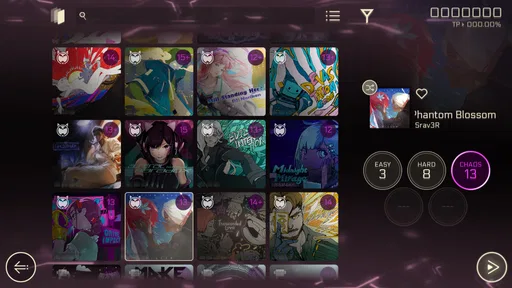
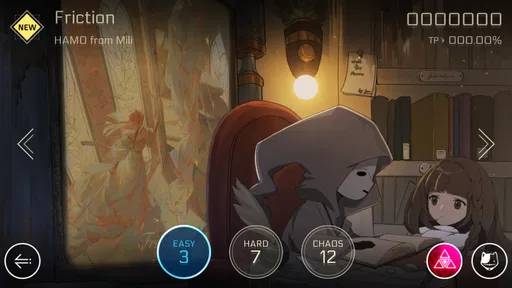
The game's interface is sleek and intuitive, making it easy for newcomers to jump right in. However, mastering it is a different story. As you progress, the tracks become more complex, demanding precise timing and quick reflexes. But that’s part of the fun! The satisfaction of nailing a particularly tricky section is a reward in itself.
A Visual and Auditory Feast
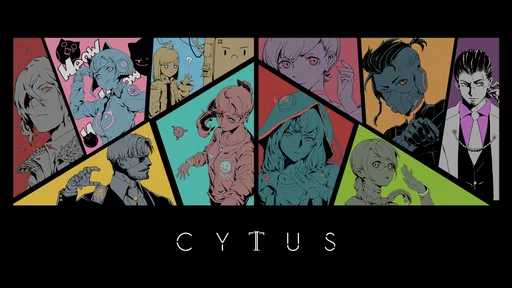
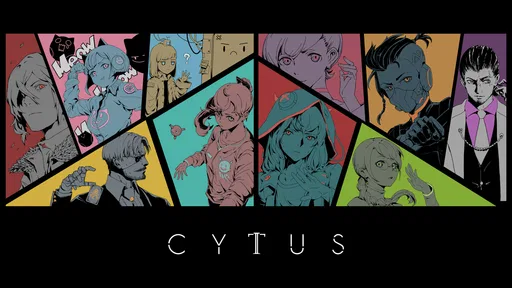
One of the standout features of Cytus II is its stunning visuals. The game is set in a futuristic, cybernetic world that’s depicted through beautiful, anime-style graphics. Each character has a unique design, contributing to the game’s immersive atmosphere. It’s not just about hitting the right notes; it’s about becoming part of the world that RAYARK, the developer, has so meticulously crafted.
The music, of course, is the star of the show. The soundtrack is not only diverse but also carefully curated to fit the mood of each level. Whether you’re into high-energy beats or more mellow tunes, there’s something here for everyone. The songs are so catchy that you might find yourself tapping your foot along to the music even when you’re not playing.
Storyline and Characters
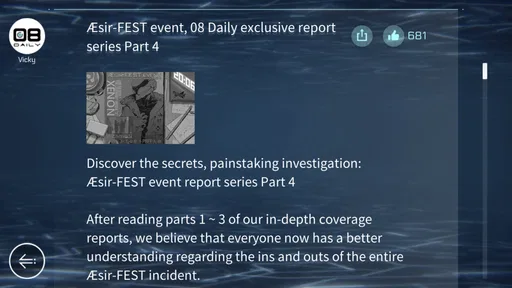
Unlike many rhythm games, Cytus II offers a storyline that unfolds as you progress. Set in a virtual internet space known as "Cytus," players follow different characters, each with their own backstory and musical style. This narrative element adds depth to the gameplay, making each track feel like a chapter in an unfolding story.
The characters are well-developed and intriguing. You start with a few, but as you advance, more characters become available, each offering a new set of songs and challenges. This progression system keeps the game fresh and exciting, as you’re always unlocking new content and piecing together the overarching narrative.
Replayability and Community
One thing is for sure: Cytus II has tremendous replay value. With multiple difficulty levels and a plethora of songs to master, there’s always a reason to come back. The game also features leaderboards, so if you’re the competitive type, you can challenge yourself to climb the ranks and beat your personal bests.
Moreover, the Cytus II community is vibrant and active. Whether it’s sharing high scores, discussing song strategies, or simply bonding over a shared love for the game, being part of the community enhances the overall experience. Plus, the developers frequently update the game with new content, ensuring that there’s always something new to look forward to.
How it compares with other music games
Compared with a simple tap-to-the-beat game, this one asks me to read patterns and manage different gestures, so it feels more like a skill practice than a musical fidget toy. That depth is a strength if I want clear room to improve, but it also means there is less value in opening it when I only have a few distracted seconds. Against music games built mostly around collecting songs or casual play, its character-led framing gives me another reason to continue, while the chart difficulty remains the reason I come back to a track.
It is not the right pick for everyone who likes music. If you mainly want a broad playlist to listen to passively, a music player will serve that need better. If you prefer rhythm games that keep input very simple, a less demanding tap game may be kinder to your hands and attention. I’d choose this when I want to actively learn a chart, enjoy the electronic and rock-leaning variety, and have enough quiet to hear and see what the game is asking of me.
Who should give it a try—and who may want to pass
I’d recommend it to someone who likes repeating a song to improve, enjoys anime-inspired sci-fi presentation, or wants a rhythm game with narrative context rather than a bare menu of tracks. It can also work well for a player who has already played other mobile rhythm games and wants a more involved mix of timing, holds, and drags. The 4.1 average from around 136,000 ratings suggests it has reached a sizable audience, while its more than 1 million installs show that it is not a niche curiosity; neither figure, of course, tells me whether its particular control demands will suit you.
I’d be more cautious if precise repeated touch input is uncomfortable, if animated screens tire your eyes, or if you need play that can be interrupted at any moment. The game is rated Teen, so I’d also check whether that age guidance fits the person who will be playing. It was released on March 7, 2018, and version 5.2.12 is the current version; on Android, the stated minimum operating system is version 5.0. Those details make it easier to decide whether the app fits a device and household, but they do not change the basic trade-off: the more focused the session, the better the game’s rhythm design comes across.
Small choices that make play more comfortable
A useful way to approach a hard chart is to separate learning from score chasing. On an early attempt, I’d pay attention to the shape of the pattern and where the awkward transitions occur; only after that would I try to improve the result. This avoids turning every miss into a reason to restart immediately. It also gives players who need a slower learning pace a clearer goal: understand one section, then build consistency, instead of expecting quick mastery of a whole track.
For comfort, I’d set the phone on a stable surface if holding it makes accurate gestures harder, and I’d take a break when my hands begin to tense. That is a practical adjustment, not a special mode, and it will not remove the demands of fast passages. If visual motion or sound becomes tiring, shortening the session is more sensible than forcing a long practice run. These are small decisions, but they can determine whether the game remains an enjoyable challenge or starts feeling like work.
For readers wondering whether the story matters if they only want the music, I think it adds context and a reason to move among characters, but the rhythm play can still be the main draw. Conversely, someone arriving for a deep narrative should be ready for the game to keep asking them to play tracks as they progress. The balance is personal: I’d approach the story as a companion to the charts, not as a substitute for them.
What the game asks in return
RAYARK’s music game has a 4.1 average across around 136,000 ratings, and its Teen content rating is worth considering for younger players. The purchase price is $1.99, with optional in-app purchases priced from $1.99 to $79.99 per item. I would keep those two spending decisions separate: buying the game is one commitment, while optional purchases are something to evaluate only after you know which characters, songs, and play habits matter to you. That is especially helpful if you are unsure whether you will stay with the game after the first few sessions.
The title’s original release was March 7, 2018, and the current version is 5.2.12. For Android users, it requires at least Android 5.0. I find these practical details useful before installing, but the more important question is how you want to play: a focused session with sound and room for your hands, or an easygoing game that fits around other activities. This one is much stronger in the first situation.
An inclusive verdict on its strengths and limits
What I appreciate most is that the game offers more than a reflex test: its changing characters, music, and story give practice a purpose beyond chasing a score. At the same time, the same busy presentation and precise input that create its identity can be barriers. I wouldn’t call it universally comfortable, and I would not recommend it as a hands-free or low-attention way to enjoy music. For players who can comfortably follow the screen and make repeated gestures, though, it provides a satisfying path from first attempts to confident play.
In conclusion, Cytus II is more than just a rhythm game; it’s a full-fledged musical journey that’s both challenging and rewarding. With its captivating music, stunning visuals, and engaging storyline, it’s a standout title in the mobile gaming world. Whether you’re a seasoned rhythm game veteran or a newcomer looking for a fun way to pass the time, Cytus II is definitely worth a download. So, grab your headphones, tune in, and let the music take you away!
Pros
- Engaging rhythm gameplay with diverse tracks.
- Stunning visual design and animations.
- Regular updates expand music library.
- Intuitive controls enhance player experience.
- Unique storyline adds depth to gameplay.
Cons
- In-app purchases can be pricey.
- Requires internet for some features.
- Complexity may overwhelm beginners.
- Occasional lag on older devices.
- Limited offline play options.
FAQs for Cytus II
What is the main gameplay objective in Cytus II?
Cytus II is a rhythm-based music game where players tap, hold, and swipe notes in time with the music. The main objective is to achieve the highest score possible by accurately hitting notes as they reach the judgment line. The game features a variety of songs and difficulty levels, offering a rich musical experience.
Is Cytus II available for both Android and iOS devices?
Yes, Cytus II is available for download on both Android and iOS platforms. Players can find it on the Google Play Store and Apple App Store. The game is optimized for a wide range of devices, ensuring smooth performance and an immersive gaming experience across different systems.
Does Cytus II require an internet connection to play?
Cytus II can be played offline, but some features require an internet connection. For instance, downloading additional songs or updates necessitates being online. However, the core gameplay and previously downloaded content can be enjoyed without connectivity, making it suitable for play on the go.
Are there any in-app purchases in Cytus II?
Yes, Cytus II includes in-app purchases that allow players to buy additional song packs and other content. While the base game provides a substantial amount of music to enjoy, these purchases enhance the experience by offering a wider variety of tracks and features for dedicated fans.
What kind of music genres can players expect in Cytus II?
Cytus II features a diverse range of music genres, including electronic, pop, rock, classical, and more. This variety ensures that players with different musical tastes will find something they enjoy. The game’s soundtrack is one of its highlights, with carefully curated tracks that complement its dynamic gameplay.


